The Moroccan Caftan: Officially UNESCO World Heritage (2025 Guide)
By Red City Craft | Culture & Style


The debate is over. The history is written. As of December 2025, the Moroccan Caftan (Caftan du Maroc) has been officially inscribed on the UNESCO Representative List of the Intangible Cultural Heritage of Humanity.
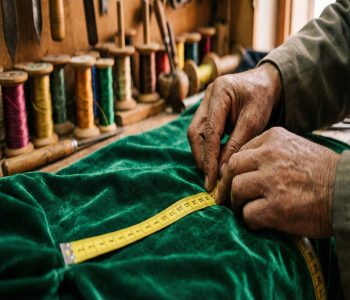
For the world, this is a recognition of art. For the Maalems (master tailors) of Marrakech and Fez, it is a validation of eight centuries of patience, needlework, and soul.
At Red City Craft, we don't just sell clothes; we preserve this living history. But with so many terms online—Kaftan vs Caftan, Takchita vs Djellaba—it can be confusing. In this guide, we decode the world of Traditional Moroccan Outfits and explain why owning one is now an investment in world heritage.
What is a Moroccan Caftan?
If you search for "What is a Kaftan" (searched 1,000 times/month), you will see generic beach cover-ups. That is not a Moroccan Caftan.
A true Moroccan Caftan is a ceremonial gown worn by women for weddings, celebrations, and high-society events. Unlike the hooded Djellaba, the Caftan has no hood. It is defined by three non-negotiable elements:
-
The Sfifa: The hand-braided silk thread trimming the edges.
-
The Aakad: The hundreds of tiny, hand-knotted buttons running down the center.
-
The Cut: A structured silhouette that respects modesty while celebrating femininity.
💡 Did You Know? The word Caftan is strictly used for the one-piece dress. If it has two layers (a dress over a dress), it is called a Takchita.
Why UNESCO Protected the Caftan
The UNESCO status wasn't granted just because the dress is beautiful. It was granted to protect the Know-How (Savoir-Faire). The specific search terms "Caftan Origin UNESCO" and "Caftan Marocain UNESCO" have spiked because the world realizes this craft is endangered.
Fast fashion factories in China and Turkey are flooding the market with printed polyester "kaftans." The UNESCO inscription protects the Authentic Moroccan Craft:
-
Velvet (Mobtan): The traditional fabric of the nobility.
-
Brocart (Brocade): Silk woven with gold or silver thread.
-
Tarz (Embroidery): Hand-stitched patterns unique to cities like Fez (Tarz Fassi) or Rabat (Tarz Rbati).
When you buy a Velvet Caftan from our Heritage Collection, you are not buying a costume. You are supporting the specific artisan skills that UNESCO has pledged to save.
How to Wear a Caftan in 2025
You don't need to be attending a Moroccan wedding to wear one. The modern Moroccan Kaftan has evolved.
1. The "Resort Chic" Look
For beach holidays or lounging at home, opt for a White Kaftan or a linen blend.
-
Style It: Open over a swimsuit, or belted for a dinner date.
-
Search for: Casual Kaftan Dresses for Women.
2. The "Evening Gala" Look
This is where the Velvet Caftan shines.
-
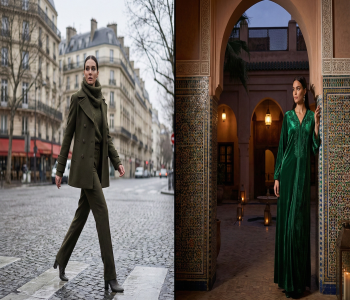
The Look: Deep Emerald Green or Royal Blue velvet with gold Sfifa.
-
Wear It: To a black-tie wedding, a gala, or a sophisticated dinner party. It is a powerful alternative to the standard Western evening gown.
3. The "Boho Bride"
Moroccan Wedding Dresses are trending globally. A White or Cream Takchita with subtle gold embroidery makes for a stunning, unconventional bridal look.
Recent Posts


1
What is the difference between a Kaftan and a Djellaba?
The Djellaba has a hood (Qob) and is worn for daily life (streetwear). The Caftan has no hood and is worn for special occasions (formal wear).
2
Caftan or Kaftan?
"Caftan" is the French/Moroccan spelling (closer to the original history). "Kaftan" is the English/Global spelling. Both are correct, but "Caftan" usually implies higher quality in Morocco.
3
Can men wear Caftans?
Historically, yes (the Sultans wore them). Today, men typically wear a Djellaba or Gandoura. However, the Male Kaftan is making a comeback in high-fashion runways.
Own a Piece of History
Now that the Moroccan Caftan is officially UNESCO World Heritage, demand for authentic pieces is rising. Don't settle for a factory copy. Wear the real story.
Shop The UNESCO-Recognized Caftan Collection Handmade in Marrakech. Verified Authentic.





Your comment